


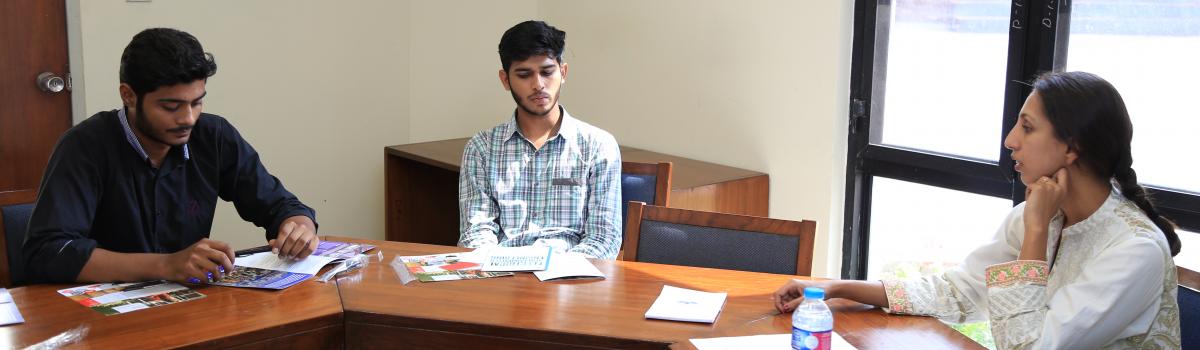

Vulnerable Advisement
The Office of Undergraduate Student Advising (OUSA–SDSB) supports students who may be experiencing academic difficulties through early identification, individual advising, and academic improvement planning. The aim is to help students recognize challenges early, access appropriate support, and make informed decisions about their academic progress.
Early Detection and Support
Early identification of academic difficulties can help students access support before their academic standing is affected. Instructors and Teaching Assistants (TAs) play an important role in identifying students who may be experiencing difficulties, including:
- Frequent absences or late arrivals
- Limited participation in class
- Poor performance in assignments, quizzes, or examinations
- Other concerns that may affect academic progress
Instructors and TAs may identify students through the early-alert process and submit the relevant form provided by the Advising Office. These forms are generally collected by the fourth week of classes.
The Advising Office reviews the information received and follows up with identified students to understand their concerns and discuss appropriate next steps. Depending on the nature of the concern, students may receive academic guidance from an Academic Advisor or be referred to their instructor or other relevant support services.
Academic Warning
Academic warning alerts students to concerns about their academic performance and the need to improve their results to avoid more serious academic consequences. A warning letter is issued if either of the following conditions applies at the end of a regular semester:
- The Semester GPA falls below 2.00, regardless of the student's CGPA.
- The CGPA falls below 2.50 but remains above 2.00.
Students who receive an academic warning should consult their Academic Advisor to develop an academic improvement plan and take steps to strengthen their academic performance. The Advising Office reviews the academic standing of students identified as being on warning and arranges advising appointments to discuss their academic progress, identify challenges, and explore appropriate support.
Students on warning are encouraged to attend scheduled advising meetings throughout the semester to review their progress and discuss strategies for improvement.
Academic Probation
Academic probation indicates serious academic difficulty and requires students to take steps to improve their academic performance. A student is placed on academic probation if their CGPA falls below 2.00 at the end of a regular Fall or Spring semester. Students may be placed on probation without having received an academic warning beforehand.
If a student's academic performance improves and their CGPA reaches 2.00 or above, they regain good academic standing, in accordance with University policy.
Advising and Academic Improvement Planning
Students on academic probation are contacted by the Advising Office to arrange advising appointments. These meetings help students review their academic performance, identify challenges, and develop a plan to improve their academic standing.
The advising process may include:
- Reviewing the student's academic record and Advisement Report
- Identifying factors affecting academic performance
- Reviewing course selection and planning an appropriate course load
- Developing an academic improvement plan and identifying relevant support resources
- Monitoring academic progress throughout the semester
Probation and Separation Rules
The rules governing probation and academic separation differ for first-year students and students in subsequent years.
First-Year Students
- If a student's Semester GPA falls below 2.00, regardless of their CGPA, they are advised by their department or faculty advisor to take a reduced course load and may not enroll in more than 14 credit hours in that semester.
- If a student's CGPA falls below 2.00 at the end of their (first) Fall semester, they are placed on probation in the following Spring semester.
- If their CGPA remains below 2.00 at the end of that Spring semester (second semester), they are separated from LUMS.
First-year students are not permitted to take their first semester off. If a first-year student on probation takes their second semester off, they resume their studies on probation in the semester in which they rejoin.
Students in Subsequent Years
For students beyond their first year, probation may extend over a maximum of two regular semesters (Fall and Spring).
The University tracks the Probation Semester GPA (PSGPA), which represents the cumulative GPA calculated from the beginning of the probation period, to assess academic performance during probation and determine whether probation continues or separation applies.
- If the PSGPA is 2.50 or above at the end of the first probation semester while the CGPA remains below 2.00, probation is extended for one additional regular semester.
- If the CGPA remains below 2.00 at the end of the second probation semester, the student is separated from their academic programme.
Students on probation who are permitted to withdraw from a semester may resume their studies with their probationary status unchanged. Decisions regarding academic standing are made at the end of regular semesters only.
Students should consult the latest Undergraduate Student Handbook for the complete academic standing policy, including any applicable exceptions.
Academic Separation
Academic separation occurs when a student does not meet the University's requirements for continuing in the Programme. The applicable decision depends on the student's academic record and the relevant academic standing rules outlined in the Undergraduate Student Handbook.
The Office of the Registrar is responsible for monitoring academic standing and determining students' official academic status in accordance with University policy.
Students who are academically separated should consult the Registrar's Office and the latest Undergraduate Student Handbook for information about the applicable procedures and any available appeal or readmission process.
Contact the Advising Office
Students who have received an academic warning or been placed on academic probation are encouraged to engage with the Advising Office, attend scheduled appointments, and seek guidance on academic improvement planning.
To schedule an appointment with an Academic Advisor or seek guidance regarding academic progress, email undergradadvising.sdsb@lums.edu.pk or visit the Office of Undergraduate Student Advising.